.cde15bd7.png&w=3840&q=75&dpl=dpl_4tAeEssdWgkn3xypkVMx1nPCaC17)
Aspire Counseling Services
The Hidden Pressures of Summer Burnout
Learn how to prevent summer burnout, protect your mental health, and maintain addiction recovery with practical tips and support from Aspire Counseling Services.
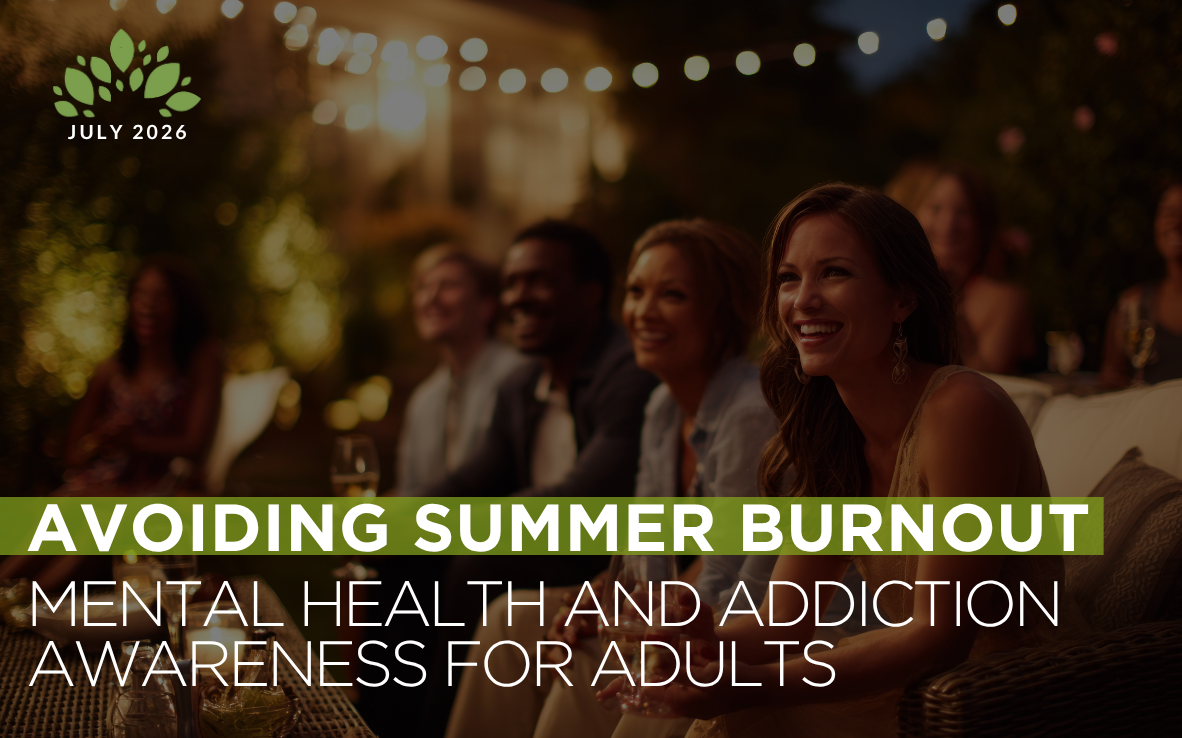
Summer is often seen as a time for fun, freedom, and relaxation, but for many adults, it can bring an entirely different experience. The longer days, added social pressures, and changes in routine can lead to emotional exhaustion and a loss of balance. Those already managing mental health conditions or working through recovery from substance use may find the season especially challenging.
The expectation to make the most of every sunny day can feel overwhelming. From vacations to social gatherings, summer can create a fast pace that drains energy and stability. For adults navigating stress or recovery, maintaining structure and support during this season is key to preventing burnout and relapse.
Aspire Counseling Services understands how these seasonal changes can affect emotional well-being and substance use recovery. Our therapists work with clients to build awareness, strengthen coping skills, and create lasting stability throughout the year.
Summer burnout is a condition that develops when the demands of the season outpace emotional and physical resources. It often starts with the belief that summer should be enjoyable and carefree, which can create guilt or shame when it doesn’t feel that way. Social events, financial stress from travel or activities, and disrupted schedules can leave many adults exhausted instead of refreshed.
For working adults, balancing job responsibilities with family expectations and social invitations can be draining. Parents may feel stretched thin trying to manage childcare or keep up with family activities. Others might face loneliness if their friends or family are busy traveling, which can intensify feelings of isolation. These pressures often build quietly until emotional exhaustion sets in.
Burnout can manifest through irritability, fatigue, or a drop in motivation. You may notice a reduced ability to focus, decreased patience, or a loss of interest in things that once felt fulfilling. When unaddressed, these symptoms can lead to anxiety, depression, or an increased reliance on unhealthy coping mechanisms.
At Aspire Counseling Services, our therapists help clients recognize the early signs of burnout and understand its connection to stress and lifestyle factors. Addressing burnout early allows individuals to take preventive action, maintaining both mental health and recovery progress.
How Heat and Lifestyle Changes Affect Mental Health
Rising temperatures and shifting daily routines can impact emotional well-being. Extended daylight hours can interfere with sleep cycles, which affects concentration and mood stability. Sleep deprivation often increases irritability and reduces resilience to stress. Likewise, high temperatures can lead to physical fatigue that contributes to emotional strain.
For some, summer may trigger a form of seasonal depression that surfaces when routines are disrupted or social pressure increases. The contrast between how one feels and how they believe they “should” feel can create frustration or shame.
Therapists often help clients explore how external factors like temperature, sunlight, or disrupted structure influence mood. Through this understanding, individuals can learn to manage these stressors before they evolve into deeper challenges. Techniques such as mindfulness, journaling, or maintaining consistent sleep patterns can make a meaningful difference.
Substance Use and Seasonal Stress
Summer social events often include alcohol and other substances, which can present risks for individuals in recovery or those vulnerable to substance use. Pool parties, barbecues, and vacations are typically framed as opportunities to relax and unwind. Yet in many of these settings, substances are used as the primary way to socialize or de-stress.
Even people without a history of substance use disorder may find themselves drinking more frequently or in larger amounts during the summer. This increase can gradually erode emotional stability and amplify anxiety or depression. For those in recovery, exposure to these environments without proper coping strategies can lead to setbacks or relapse.
The therapists at Aspire Counseling Services understand how seasonal patterns influence addiction and recovery. Our programs focus on helping clients identify their triggers, establish boundaries, and use healthy coping skills in social situations. By replacing unhealthy habits with positive alternatives, individuals can enjoy the season without compromising their mental health or recovery progress.
Group sessions, mindfulness practices, and relapse prevention education are just a few of the tools Aspire therapists use to help clients navigate these high-risk periods. With support and structure, it’s possible to stay grounded and confident, even in environments that might otherwise feel challenging.
Recognizing When to Reach Out for Help
It’s common for adults experiencing burnout or increased stress to believe they should handle things on their own. However, ignoring emotional distress often allows it to deepen. Reaching out for help is a sign of strength, not weakness, and early intervention can prevent a temporary struggle from becoming a long-term setback. Consider seeking help from a therapist if you notice:
- Ongoing fatigue or trouble sleeping
- Increased irritability or emotional numbness
- Avoidance of responsibilities or social withdrawal
- Heightened anxiety or feelings of hopelessness
- A return to substance use or stronger cravings
- Difficulty managing stress or regulating emotions
Aspire Counseling Services provides a safe and nonjudgmental space to address these concerns. Each client receives an individualized treatment plan that supports their emotional and behavioral needs. Our team helps clients identify the underlying causes of their stress or cravings and build a foundation for stability that extends beyond the summer months.
Building a Healthy Summer Routine
The best way to prevent burnout and maintain mental health during summer is by creating intentional structure. Even small changes can have a big impact on emotional balance. Consider incorporating the following habits into your daily routine:
- Keep a consistent sleep and wake schedule, even on weekends.
- Stay hydrated and eat nutritious meals that support energy and mood.
- Set realistic limits on social activities to avoid overcommitting.
- Spend quiet time in nature or practice meditation for relaxation.
- Stay connected to supportive people, including recovery groups or therapists.
- Schedule downtime each week to recharge and reflect.
Therapists at Aspire Counseling Services often guide clients through building these habits in a practical, sustainable way. By balancing rest, activity, and self-care, individuals can enjoy the season while protecting their mental health.
Summer also provides opportunities to explore activities that enhance recovery and personal growth. Trying new hobbies, volunteering, or engaging in creative outlets can help reduce stress and provide fulfillment. Establishing daily structure—such as morning routines or scheduled check-ins with a counselor—helps maintain accountability and emotional balance.