.cde15bd7.png&w=3840&q=75&dpl=dpl_h7euSK1DQo5E8EkHkkdDsoiaMaV5)
Aspire Counseling Services
Recognizing Early Warning Signs of Addiction in Adults and Teens Before It Escalates
Learn the early warning signs of addiction in adults and teens, when to seek help, and how Aspire Counseling Services in California supports recovery.
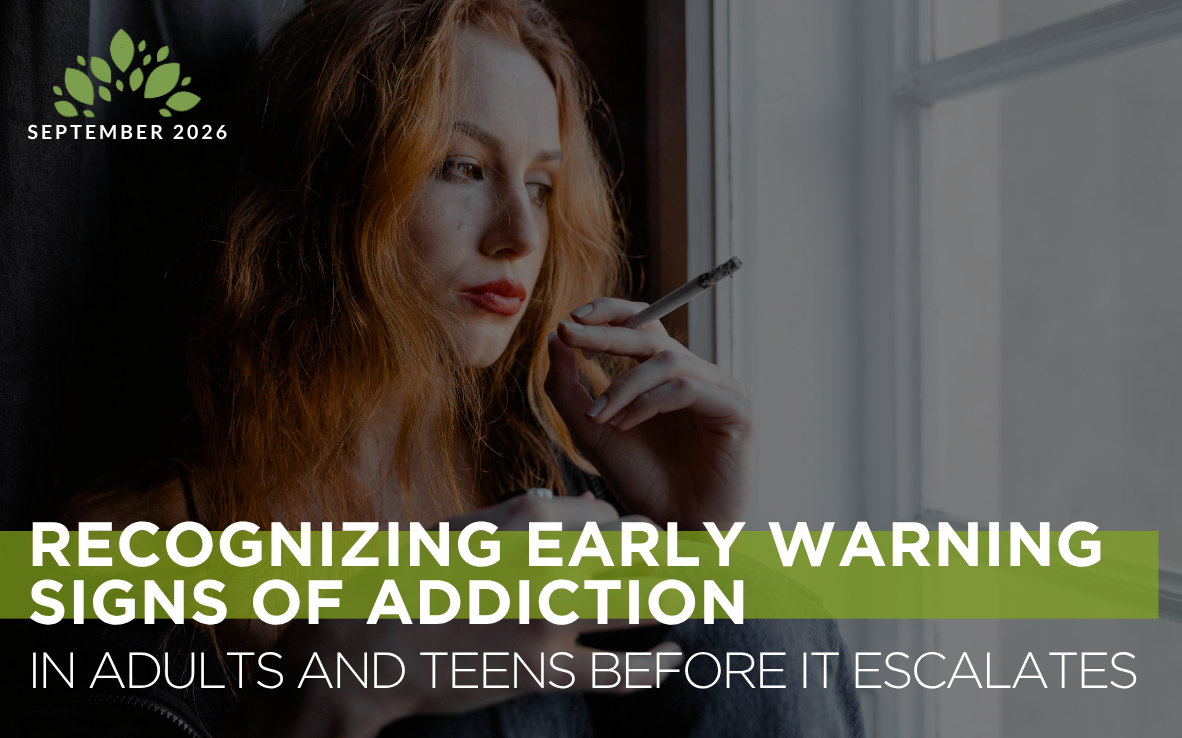
When we think of addiction, we often picture the most extreme cases: overdose, legal trouble, or a full breakdown of life. But many do not recognize that addiction often begins subtly. There are small changes first, barely noticeable, yet meaningful. Whether you’re a parent watching a teen, an adult sensing changes in yourself, or a loved one trying to protect someone you care about, knowing the early warning signs of addiction is one of the most important steps toward prevention and healing. At Aspire Counseling Services in California, we understand how tricky it can be to tell when what seems like experimentation or stress becomes something more. Because addiction is tied deeply to mental health, behavioral health, and life circumstances, catching it early gives everyone involved a better chance at steady, lasting recovery.
Why Early Warning Matters
The sooner addiction is recognized, the sooner meaningful support can begin. Research shows that many adults who develop severe substance use disorders started showing symptoms much earlier. For example, more than 40 % of surveyed 18‑year‑olds reported two or more substance use disorder symptoms, and those symptoms predicted higher rates of problems later in life. For teens, every year matters. One report shows that youth who begin using alcohol or other drugs before age 15 are five times more likely to develop a substance use disorder. When you catch red flags early, you reduce the likelihood of escalation, reduce the damage to relationships, health, and future opportunities. Are you willing to notice what’s changing now, rather than waiting for the crisis?
What Makes Teens and Adults Vulnerable
Addiction doesn’t happen in a vacuum. Certain developmental, psychological, social, and biological factors heighten risk for both teens and adults. For teens: this is a period of intense change—social circles shift, hormones surge, the brain is still developing—and in that context, experimentation with substances may feel “normal.” For adults: stressors like work pressure, family responsibilities, financial strain, or untreated mental health conditions may create openings for substance use to become a coping mechanism. Also, prior history of use in adolescence dramatically increases risk later. When you combine vulnerability with access—whether to alcohol, prescription drugs, illicit substances—you increase the chance that use can escalate into dependence. Recognizing the context helps you understand why early signs matter.
Early Signs of Addiction to Watch For
Here are some of the warning signs that may signal substance use is becoming something more serious. They are not guarantees, but when you see several in combination, they deserve attention.
Behavioral and emotional signs:
- Loss of interest in hobbies, sports, social activities previously enjoyed.
- Changes in friend groups or spending time with people who use substances.
- Mood swings, irritability, defensiveness, or unexplained anger.
- Declining performance at school or work—lower grades, missed deadlines, lateness.
Physical or environmental signs:
- Neglect of personal hygiene or appearance.
- Frequent requests for money or engaging in unusual financial behavior.
- Changes in sleep or eating patterns—sleeping more or less, skipping meals, drastic weight loss or gain.
Cognitive or hidden signs:
- Rationalizing substance use (“I’ll quit when things calm down”), projecting blame onto others.
- Secrecy, lying about whereabouts or what one is doing.
- Using substances to manage stress, emotions, or mental health issues rather than just for social reasons.
For adults, the signs may be less obvious: increased tolerance, using in more risky situations (driving or mixing substances), neglecting relationships or professional responsibilities. Listening to your intuition, if something feels “off” is critical.
Contextual Clues: Life Factors That Raise Risk
Recognizing signs is one thing; understanding the underlying risk factors is another. Some of the key context clues include:
- Family history of substance use or addiction.
- Early exposure to alcohol or drugs (especially before age 15).
- Co‑occurring mental health issues such as anxiety, depression, ADHD, trauma.
- Stressful life transitions (going to college, job changes, moving, loss of relationship).
- Peer pressure or social circles where substance use is normalized.
- Unaddressed emotional pain, isolation, or significant life losses.
When these risk factors are present, the early warning signs gain extra weight. Suppose you notice mood swings plus a change in friends plus a family history of addiction. Each one alone might not mean a major problem, but together they signal a need for intentional monitoring and action.
What to Do If You Recognize the Signs
Spotting signs is only part of the journey. Here are steps to take if you believe someone (or yourself) is showing early warning signs of addiction:
- Approach with compassion and concern, not accusation. A conversation like, “I’ve noticed you seem different lately and I’m concerned about you,” opens space.
- Encourage a professional assessment. A therapist, counselor, or addiction specialist can help clarify concerns and next steps.
- Explore options for early intervention—therapy, outpatient programs, peer support, family counseling.
- Support healthier coping strategies—stress management, sleep routine, physical activity, mindfulness.
- Create a supportive environment by reducing access to substances if possible and strengthening connections.
- If you’re an adult noticing your own signs, reach out early—waiting often makes recovery harder.
Reflect on this: What might change if you replaced denial or minimization with curiosity and care? What would it require for you to act while there is still time?
How Aspire Counseling Services Helps at the Early Stage
At Aspire Counseling Services, we specialize in helping adults, teens, and families navigate substance use and behavioral health concerns before they escalate into crisis. Our approach across California—Bakersfield, Fresno, Santa Clarita, Simi Valley, San Luis Obispo, Victorville—focuses on early support and long‑term stability. Our services include:
- Individual and group counseling to address substance use, mental health, and emotional regulation.
- Family sessions that help parents, teens, and loved ones build communication and support.
- Skills training in coping, relapse prevention, and building resilience.
- Tailored treatment plans that respect each person’s unique history, strengths, and goals.
- Aftercare planning to ensure support continues after initial treatment.
We believe that catching warning signs early allows for intervention that is less disruptive and more empowering. If you or someone you love shows early signs of addiction, reaching out now can build a path toward wellness rather than waiting for an emergency.