.cde15bd7.png&w=3840&q=75&dpl=dpl_62MSc674BKnvR3Naym9hj1tS1yKr)
Aspire Counseling Services
How Intensive Outpatient Programs Can Help Adults and Teens Transition Back to School Successfully
Learn how Intensive Outpatient Programs help teens and adults manage stress, support recovery, and successfully transition back to school.
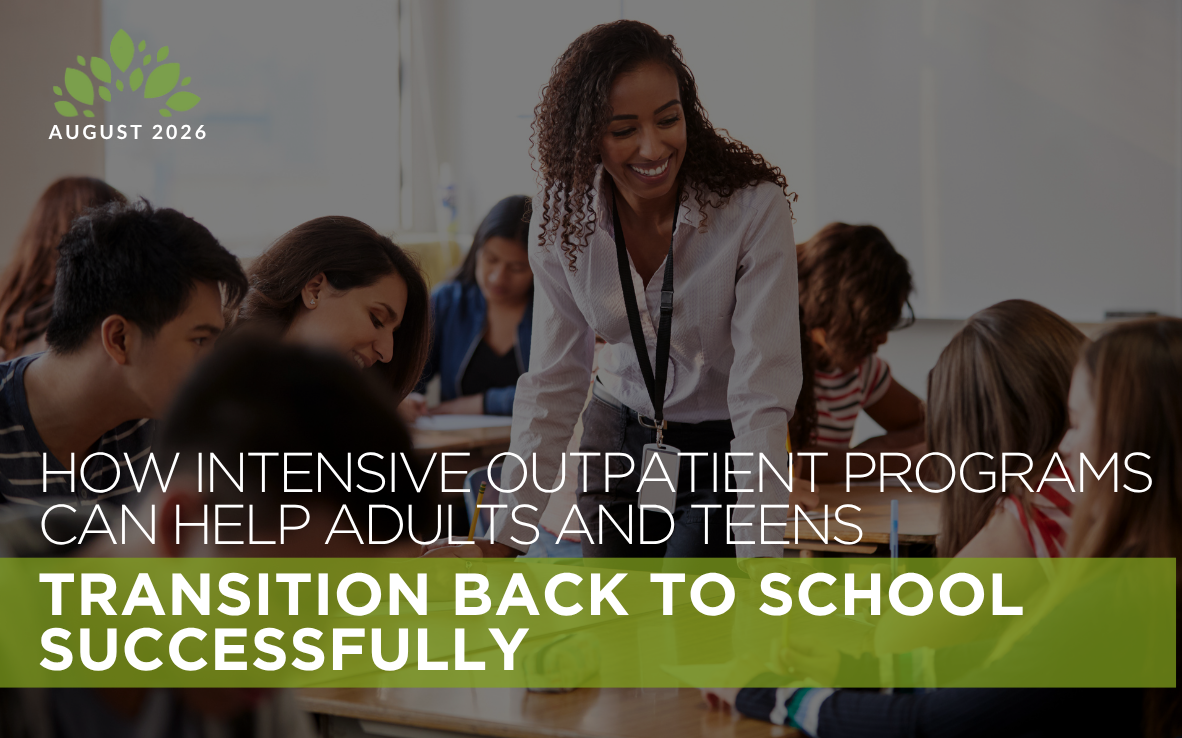
Returning to school after a break, a change in routine, or a period of personal challenges can be stressful for both teens and adults. For those who have been managing substance use or mental health conditions, this transition can feel even more complicated. Questions about balancing academics, social expectations, and recovery can create anxiety and uncertainty. Intensive Outpatient Programs, or IOPs, offer structured support that helps individuals maintain stability while reintegrating into school and daily life. These programs provide tools for coping with stress, improving mental and behavioral health, and building confidence for a successful school year.
Understanding Intensive Outpatient Programs
IOPs are designed to provide a structured environment that supports individuals recovering from substance use or managing behavioral and mental health conditions. Unlike inpatient programs, IOPs allow participants to live at home while attending regular therapy and counseling sessions. These programs include:
- Individual and group therapy
- Relapse prevention education
- Coping skills development
- Family counseling when appropriate
The goal is to give participants the tools and guidance they need while allowing them to continue with school, work, and daily responsibilities. Consider this: How might a structured yet flexible program help reduce stress for you or your teen as the school year begins?
Benefits for Teens Returning to School
For adolescents, returning to school after treatment or during ongoing recovery can trigger anxiety, social pressure, and fear of relapse. IOPs support teens by:
- Providing a safe space to discuss challenges with peers facing similar experiences
- Teaching stress management and coping strategies tailored for school environments
- Supporting social and emotional development to handle peer pressure and academic demands
- Offering family counseling to improve communication and strengthen support at home
Teens who participate in IOPs often feel more confident navigating social situations and academic responsibilities because they have consistent guidance and practical tools.
Benefits for Adults in School or Continuing Education
Adults returning to school after treatment may face different pressures, such as balancing coursework with work responsibilities, family obligations, and recovery maintenance. IOPs help adult learners by:
- Reinforcing healthy routines and time management skills
- Providing emotional support for stress and anxiety
- Offering strategies to manage triggers and prevent relapse
- Encouraging accountability through regular check-ins and peer support
With the structure of an IOP, adults can maintain recovery while pursuing academic goals without feeling overwhelmed. Consistent support through an IOP can improve your ability to manage school, work and personal well being simultaneously.
How IOP Supports Recovery and Mental Health
One of the key strengths of IOPs is the combination of mental health support and relapse prevention. Participants learn to:
- Recognize early signs of stress or relapse
- Develop coping skills that reduce anxiety and prevent substance use
- Communicate effectively with family, teachers, or peers about challenges
- Build resilience for both academic and personal success
By addressing mental, behavioral, and emotional needs in a structured way, IOPs help participants stay on track in school and recovery. And these strategies for managing stress can reduce triggers when the pressures come during the school year.
Creating a Balanced Routine
A smooth transition back to school often requires careful planning and balance. IOPs assist participants in developing routines that include:
- Scheduled therapy and counseling sessions
- Dedicated study and homework time
- Mindfulness or relaxation exercises
- Time for social connection and recreation
- Sleep and nutrition routines that support mental and behavioral health
Building a balanced schedule reduces the risk of burnout, helps manage anxiety, and strengthens overall recovery. There may be areas of your teen’s day or life that feel out of balance, talk to a therapist at Aspire about how structured support could help restore stability.
Resources for Families in California
Families across Bakersfield, Fresno, Santa Clarita, Simi Valley, San Luis Obispo, and Victorville can access IOPs that support teens and adults during the back-to-school transition. Programs often include:
- Adolescent and adult intensive outpatient services
- Group and individual therapy focused on mental health and substance use
- Family counseling to enhance communication and support
- Skills training in coping, mindfulness, and relapse prevention
These resources provide both participants and families with guidance, education, and support to make the school year successful while maintaining mental and behavioral health.
Next Steps for a Successful Transition
Returning to school after treatment or during recovery does not have to be stressful or overwhelming. With the support of an Intensive Outpatient Program, both teens and adults can:
- Manage stress and anxiety effectively
- Strengthen coping and social skills
- Maintain focus on academic and personal goals
- Prevent relapse and enhance overall mental and behavioral health