
Aspire Counseling Services
Coping With Seasonal Changes: Mental Health and Substance Use
Learn how seasonal changes impact mental health, substance use, and recovery. Explore practical coping strategies from Aspire Counseling Services.
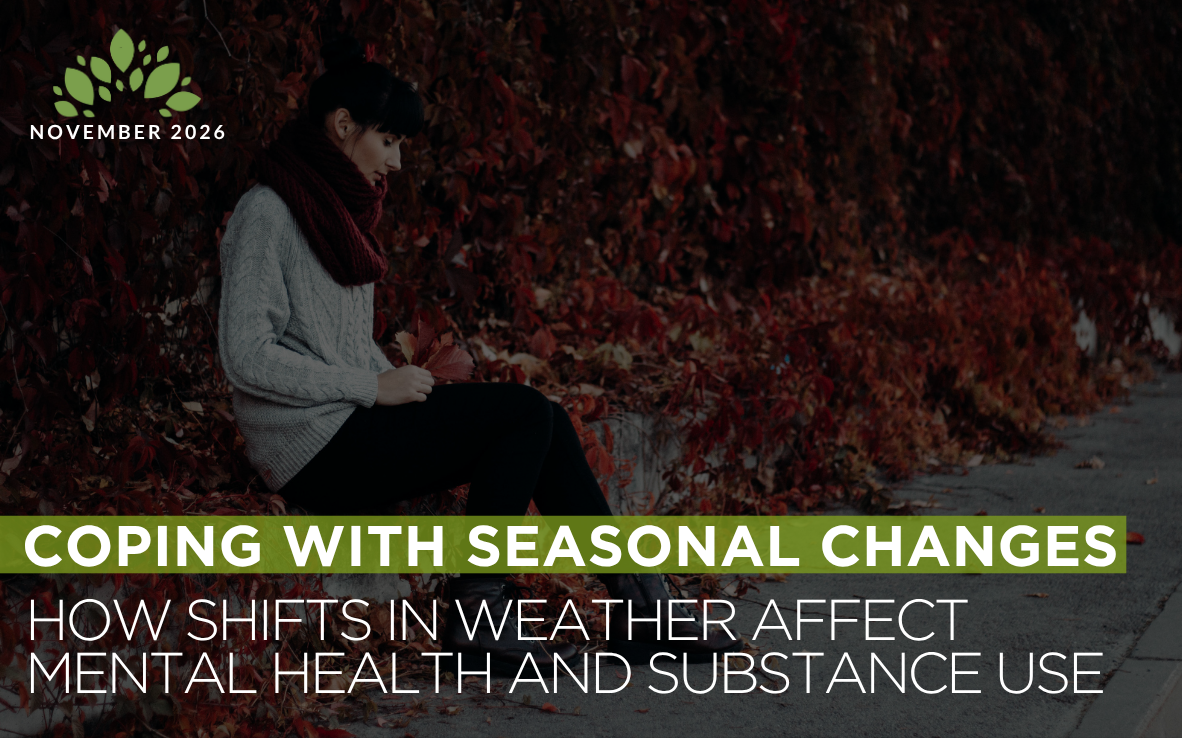
Seasonal changes can affect more than just our wardrobes or outdoor activities. For many teens and adults, shifts in weather, daylight, and routine can influence mood, energy levels, and even cravings. These changes can make managing mental health and maintaining recovery from substance use more challenging. Recognizing how seasonal shifts impact your well being is an important step in protecting yourself and staying on track with recovery goals. At Aspire Counseling Services, we see firsthand how adjusting to seasonal changes can either support or strain mental health. Our programs, including the Intensive Outpatient Program (IOP) and Partial Hospitalization Program (PHP), provide strategies that help individuals navigate these transitions while maintaining emotional balance and substance free coping skills.
Understanding Seasonal Impacts on Mental Health
Many people notice changes in mood and energy as the seasons change. Shorter days and reduced sunlight during late fall and winter can contribute to seasonal affective disorder (SAD), a type of depression that occurs at certain times of the year. Even milder seasonal shifts, like the transition from spring to summer or summer to fall, can affect sleep patterns, motivation, and stress levels. Changes in routine, school schedules, or work demands can also add pressure during seasonal transitions. Feeling more tired, irritable, or unmotivated is common, but these experiences can feel more intense for individuals managing mental health challenges or navigating recovery. Being aware of these patterns helps you take proactive steps before small changes turn into significant setbacks.
How Weather Changes Influence Substance Use
Shifts in weather and daylight can indirectly affect substance use. For some, warmer weather and social gatherings may increase exposure to alcohol or other substances. Conversely, colder or darker months can lead to isolation or low mood, which may increase cravings as a way to self soothe. Research suggests that environmental factors like sunlight exposure, temperature, and daily structure can play a role in both mental health symptoms and substance use patterns. Understanding these connections is empowering because it allows individuals to anticipate challenges and implement strategies to manage urges and maintain recovery.
Practical Coping Strategies for Seasonal Challenges
Building routines and self-care practices around seasonal shifts can protect both mental health and recovery. Strategies include:
- Maintaining a consistent sleep schedule to support mood regulation and energy.
- Spending time outdoors or using light therapy to counteract reduced daylight.
- Planning social activities that do not involve substance use to stay connected while reducing risk.
- Practicing mindfulness, journaling, or deep breathing exercises to process emotions without turning to substances.
- Setting small, realistic goals that adjust to seasonal demands, such as daily walks in spring or structured indoor activities during winter.
Incorporating these strategies into daily life strengthens resilience and helps individuals respond to environmental stressors with healthier choices.
Supporting Teens and Young Adults Through Seasonal Shifts
Teens and young adults face unique challenges during seasonal changes, such as academic pressures, extracurricular schedules, and evolving social dynamics. These stressors can increase anxiety, irritability, or cravings for substances. Families and caregivers can play a vital role by observing changes in behavior, maintaining open communication, and encouraging positive coping strategies. For teens, simple routines like daily check-ins, shared meals, or brief mindfulness exercises can create stability and reduce the risk of relapse or emotional struggles. Adults can benefit from similar strategies, paired with structured recovery support and peer connection.